
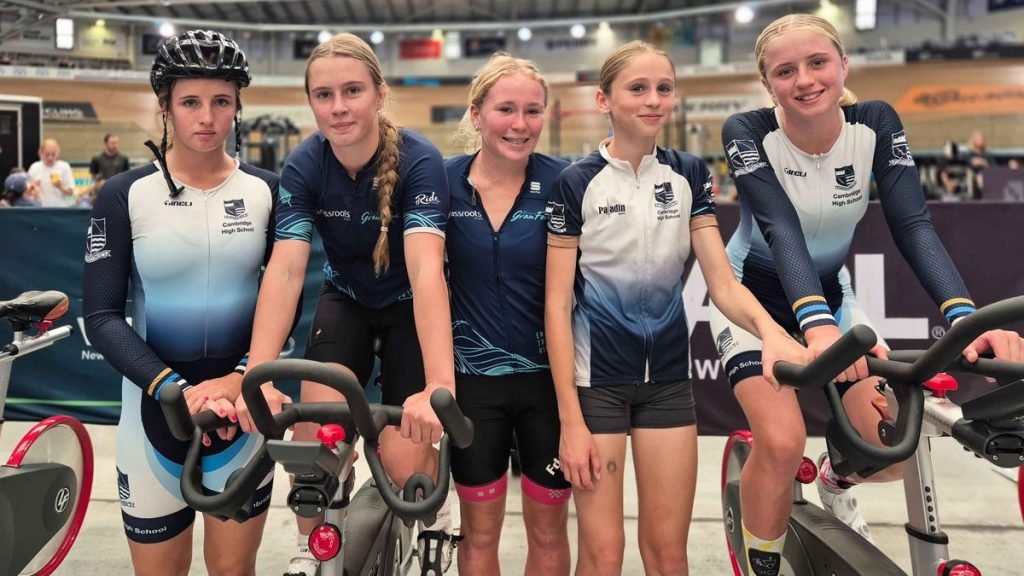
Are you ready to take your cycling to the next level? Velodrome racing is an exciting and fast-paced sport that demands skill, focus, and precision.
Whether you’re new to the track or looking to sharpen your abilities, mastering velodrome racing techniques can make all the difference. You’ll discover simple, effective ways to practice and improve your skills so you can ride with confidence and speed.
Keep reading to unlock the secrets that will help you dominate the velodrome!

Credit: www.bikeradar.com
Getting Started With Velodrome Racing
Essential gearincludes a track bike, helmet, and cycling shoes. The bike has no brakes and a fixed gear. A snug helmet protects the head. Shoes clip into pedals for better control.
Setting up the bike for comfort is important. Adjust the saddle height so legs extend almost fully when pedaling. Handlebars should be low to reduce wind resistance.
Track familiarization means knowing the velodrome layout. The track is oval and banked on the curves. The banking helps riders keep speed and balance.
Practice riding near the bottom line first. This area has the shortest distance. Learn how to handle the steep curves safely.
Basic riding position is low and aerodynamic. Keep your back flat and elbows bent. Hands grip the drops of the handlebars for control.
- Look ahead, not down.
- Keep pedaling smoothly.
- Stay relaxed but focused.
Building Core Speed Techniques
Sprint drillshelp build fast bursts of power needed on the track. Short, intense sprints improve muscle strengthand reaction time. Practice starting quickly and pedaling hard for 10 to 20 seconds. Rest for a minute, then repeat. This trains your body to explodefrom a stop.
Pacing is key to lasting the race. Begin with a steady speed to save energy. Increase your pace gradually to avoid getting tired early. Use short bursts of speed to pass others, then recover. This keeps your energy balanced and helps you finish strong.
The velodrome’s banking can help you go faster. Ride higher on the banked curves to gain speed without extra effort. Move down the track on straights to maintain momentum. Learning to use the banking saves energy and improves control.
Enhancing Control And Balance
Cornering techniqueshelp keep balance on sharp turns. Lean your body into the curve. Keep your inside pedal up to avoid hitting the ground. Look where you want to go, not where you are. Slow down before the turn, then speed up after.
Maintaining stability at high speedsmeans staying calm and steady. Keep your hands light on the handlebars. Look straight ahead. Avoid sudden moves. Tighten your core muscles to hold your body firm. Small corrections with your steering keep you balanced.
Body position adjustmentsimprove control and comfort. Bend your elbows slightly. Lower your chest closer to the handlebars. Shift your weight forward on climbs and backward on descents. Keep your knees close to the bike frame for better balance.

Credit: www.youtube.com
Advanced Skills For Competitive Edge
Draftingmeans riding close behind another cyclist. It helps save energy by cutting wind resistance. Slipstreamingis the space behind the rider where air pressure is lower. Staying in this zone lets you pedal easier and faster.
Attack movesare quick efforts to pass others or gain a lead. They require sudden speed bursts and good timing. Counterattackshappen right after an opponent attacks, to surprise them and regain position.
Timing your sprints means choosing the perfect moment to go full speed. Sprint too early, and you might run out of energy. Sprint too late, and you may miss winning. Watch other riders and track position to decide when to sprint.
Training Plans And Practice Routines
Interval workoutsbuild speed and endurance. Start with short bursts of intense cycling. Follow with easy pedaling to recover. Repeat several times. This trains your body to handle fast efforts and quick rests.
Practice simulated race scenariosto get ready for real events. Ride with others to mimic race conditions. Focus on pacing, positioning, and quick moves. This helps improve your tactics and reactions on the track.
Recovery and restare key to progress. Take days off to let muscles heal. Use light rides or stretching on easy days. Good rest prevents injury and keeps energy high for tough workouts.
Credit: www.kart.silverstone.co.uk
Safety Tips And Common Mistakes
Safety Tips and Common Mistakes Velodrome racing requires attention to safety and skill refinement. Always wear a helmet and check your bike’s condition. Avoid common mistakes like improper gear shifting and not understanding track lines. Practice consistently to improve performance and ensure safety.
Avoiding Crashes
Velodrome racing can be fast and exciting. But crashes happen often. Always wear a helmet to protect your head. Keep your bike in good shape. Check brakes and tires before each race. Stay focused and look ahead. Watch other racers’ moves. Keep your distance from others to avoid collisions.
Proper Warm-up And Cool-down
Warming up is important before racing. Stretch your muscles to prevent injuries. Ride slowly around the track. This prepares your body. After the race, cool down slowly. Pedal gently for a few minutes. Stretch again to relax muscles. This helps avoid soreness.
Handling Emergencies
Sometimes emergencies happen during races. Stay calm and think quickly. If you fall, move to a safe spot. Call for help if needed. Carry a small first aid kit with you. It can help in minor injuries. Always have a phone to contact emergency services.
Frequently Asked Questions
What Are The Essential Skills For Velodrome Racing?
Essential skills include bike handling, pacing, and drafting. Riders must master smooth cornering and sprint techniques. Consistent training improves balance and endurance on the track. These skills boost performance and safety during races.
How Can Beginners Practice Velodrome Racing Effectively?
Beginners should start with basic bike control and track etiquette. Gradually increase speed and focus on smooth turns. Practice riding close to the rail and maintaining steady pacing. Joining group sessions helps improve drafting skills.
What Equipment Is Needed For Velodrome Training?
A fixed-gear track bike with no brakes is essential. Proper cycling shoes and aerodynamic helmet improve performance. Wear tight-fitting clothing to reduce wind resistance. Consider gloves and sunglasses for protection and comfort.
How Often Should I Train For Velodrome Racing?
Training 3-4 times a week balances skill development and recovery. Include interval sessions to build speed and endurance. Regular practice enhances confidence and track awareness. Rest days are vital to prevent fatigue and injuries.
Conclusion
Practicing velodrome racing skills takes time and focus. Start with basic drills to build confidence. Keep your body relaxed and your movements smooth. Practice riding close to others to improve control. Work on your speed and endurance regularly. Stay patient and enjoy small progress each day.
Remember, consistent practice leads to better results. Keep your goals clear and stay motivated. Velodrome racing can be fun and rewarding with effort. Keep training, and you will see improvement soon.



