
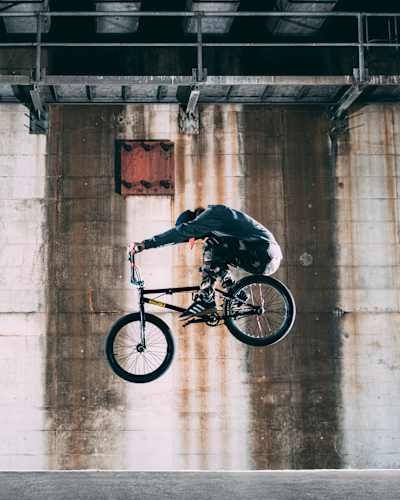
Are you ready to take your BMX riding to the next level? Learning how to train for BMX stunt riding can transform your skills and boost your confidence on the bike.
Whether you’re aiming to nail your first trick or master complex stunts, the right training makes all the difference. You’ll discover simple, step-by-step tips that help you build strength, improve balance, and stay safe while pushing your limits. Keep reading to unlock the secrets that will make your BMX stunt riding smoother, faster, and more thrilling than ever before.
Getting Started With Bmx
Choosing the right BMX bike is key. Look for a bike that fits your height and weight. A smaller frame is easier to control for beginners. Strong, light materials like chromoly steel help with tricks. Tires should be thick and grippy for good balance.
Essential safety gear protects your body during falls. Always wear a helmet made for BMX riding. Knee and elbow pads stop scrapes and bruises. Gloves improve grip and protect your hands. Wrist guards help avoid fractures.
Basic BMX riding skills build your confidence. Start by learning to balance and pedal smoothly. Practice stopping safely using brakes. Try small turns and simple bunny hops. These skills prepare you for more complex stunts later.

Credit: www.youtube.com
Building Core Strength And Balance
Building core strengthand balanceis key for BMX stunt riding. Strong muscles help keep control on the bike. Balance helps you stay steady during tricks.
Exercises like planks, sit-ups, and leg raises build stability. These moves make your core muscles strong. They protect your back and improve your control.
- Practice standing on one leg to improve balance.
- Try using a balance board to enhance coordination.
- Jump rope to increase foot speed and timing.
Stretching is important for flexibility. Stretch your arms, legs, and back before riding. This helps avoid injuries and makes moves easier to do.
Mastering Fundamental Tricks
Wheeliesand manualshelp build balance and control. Start by pedaling slowly and lifting the front wheel. Try to keep your weight back and steady. Practice holding the position for a few seconds.
Bunny hopsteach you to jump with your bike. Begin by pulling up the handlebars and then lifting your back wheel. Try small hops at first. This trick improves your ability to clear obstacles.
Basic jumpsare important for learning air time. Ride towards a small ramp or bump. Use your legs to push off and lift the bike. Land with both wheels at the same time. Always wear safety gear.

Credit: www.youtube.com
Progressing To Advanced Stunts
Start with 180 and 360 spinsby practicing balance and control. Keep your eyes focused on the landing spot. Use your body to guide the bike’s rotation. Begin with 180 spins before moving to 360s.
For tailwhip techniques, kick the bike frame around with your back foot. Keep your arms straight and use your legs to swing the bike. Timing is key to catch the bike and land smoothly.
Barspins and grindsrequire good hand control and bike balance. Spin the handlebars quickly for barspins. For grinds, aim to slide the bike’s pegs on rails or ledges. Practice on small obstacles first.
Practicing Safely And Effectively
Start with a warm-upto get your muscles ready. Simple stretches and light riding help a lot. After practice, do a cool-downto relax your body and avoid soreness.
Use spottersto watch and help you during tricky tricks. They can warn you if you lose balance or fall. Choose practice areasthat are safe and have soft ground or pads. Avoid busy streets or hard surfaces.
Falls happen. Wear protective gearlike helmets, knee pads, and elbow pads. If you fall, try to relax your body and roll to reduce injury. Clean any cuts and rest if you feel pain. Seek help for serious injuries.
Tracking Progress And Staying Motivated
Tracking your progress helps see how skills improve over time. Setting small goals keeps motivation high and pushes you to practice more. Regularly reviewing what you’ve learned makes training clearer and more rewarding.
Setting Realistic Goals
Setting goals helps in BMX training. Make them clear and reachable. Start small and build up. Celebrate each small win. This keeps you excited and eager to learn more.Recording Your Sessions
Write down what tricks you practice. Note how well you do them. Use a notebook or a digital tool. This helps you see your improvements. Watch videos of your rides. Notice what you can do better. Keep track of your feelings, too.Joining Bmx Communities
Join groups with other BMX riders. Share tips and tricks. Learn from friends and make new ones. Ask questions when you need help. Get advice on how to improve skills. Being part of a group makes training fun. Stay connected and encouraged. `Maintaining Your Bmx Bike
Always check your bike before riding. Look at the tires, brakes, and chain. Ensure the tires are pumped and firm. Test brakes for quick stopping. Tighten loose bolts and screws. Check the chain for rust or damage.
Keep your bike clean for smooth rides. Use a damp cloth to wipe dirt. Clean the chain with a brush. Lubricate the chain to avoid rust. Apply lubricant to gears and moving parts. Wipe away extra oil to prevent dirt.
Worn parts make riding unsafe. Replace old tires for better grip. Change brake pads if they squeak. Inspect the handlebars for cracks. Check the pedals for damage. Regularly replace the chain if stretched.
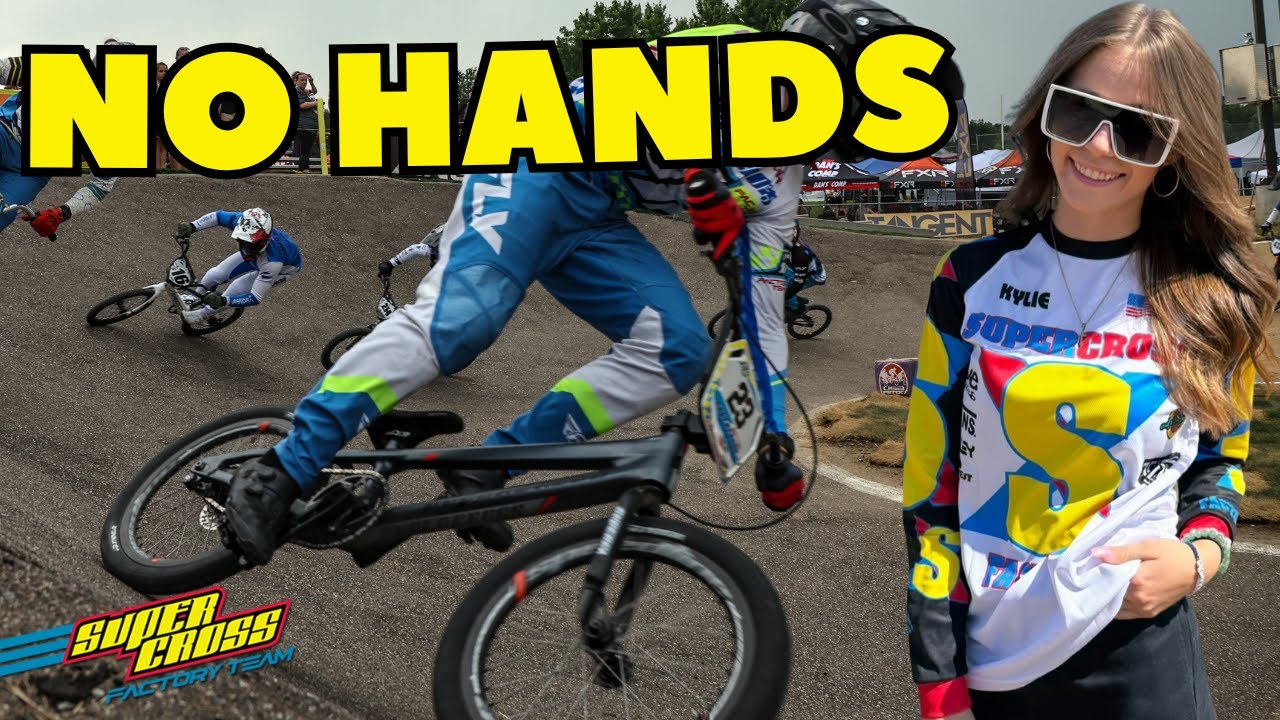
Credit: www.youtube.com
Frequently Asked Questions
What Are The Basic Skills Needed For Bmx Stunt Riding?
Basic skills include balance, bike control, and jumping techniques. Mastering these helps build confidence for advanced tricks and stunts safely.
How Often Should I Practice Bmx Stunt Riding?
Practice 3-5 times a week for steady improvement. Consistency builds muscle memory and improves overall stunt performance and safety.
What Safety Gear Is Essential For Bmx Stunt Riding?
Wear a helmet, knee pads, elbow pads, and gloves. Proper gear protects against injuries during falls and enhances confidence.
How Can I Improve My Bmx Jump Height?
Focus on leg strength, timing, and bike control. Practice small jumps first, then gradually increase height for better performance.
Conclusion
Training for BMX stunt riding takes time and patience. Practice regularly and focus on small improvements. Wear safety gear to protect yourself while learning tricks. Watch others ride to get new ideas and tips. Stay motivated by setting clear, simple goals.
Enjoy the process and celebrate your progress. With steady effort, your skills will grow. BMX stunt riding can be fun and rewarding for anyone. Keep riding and pushing your limits safely.



