
Are you ready to take your stunt bike skills to the next level without leaving your home? Training at home can be the key to mastering tricks, improving balance, and building confidence on your bike.
Imagine turning your living space into your personal stunt zone, where every practice session brings you closer to landing that perfect wheelie or bunny hop. You’ll discover simple, effective ways to train safely and smartly right where you are. Get ready to unlock your full potential and impress everyone with your stunt bike moves!

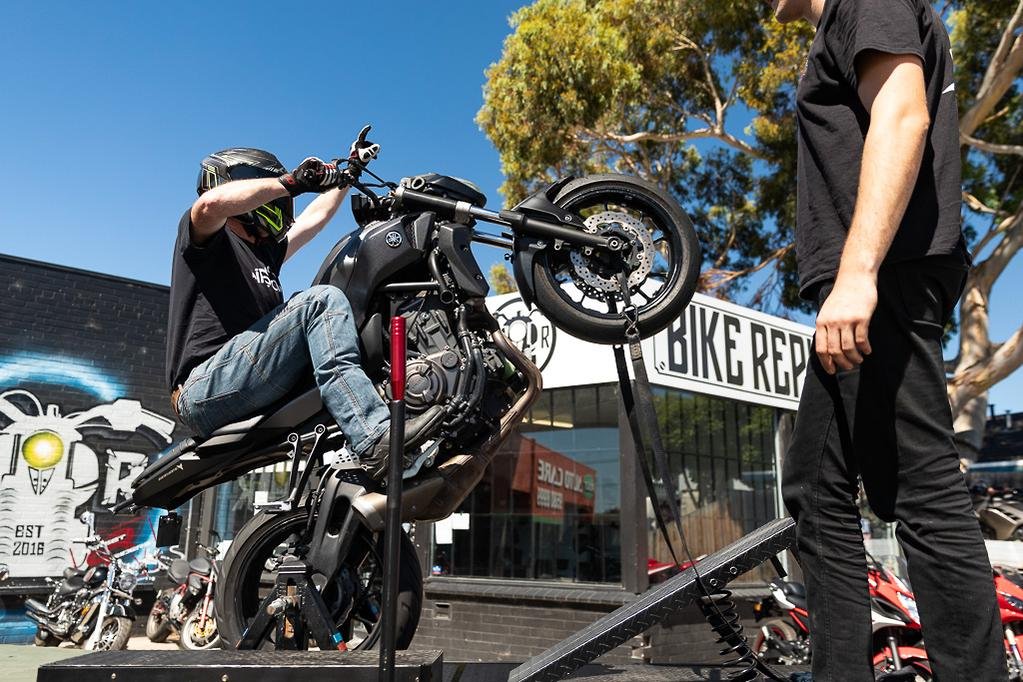
Credit: www.bikesales.com.au
Setting Up Your Home Training Area
Choose a space free of obstacles and traffic. A flat, open area is best for stunt bike practice. Make sure the ground is smooth and firm. Avoid places with loose gravel or wet surfaces for safety.
Use essential safety gearto protect yourself. Always wear a helmet, gloves, and knee pads. Elbow pads and wrist guards help prevent injuries. Safety gear reduces risks during stunts.
| Basic Equipment | Purpose |
|---|---|
| Stunt Bike | Designed for tricks and control |
| Repair Tools | Fix small bike issues quickly |
| Practice Ramps | Help learn jumps and tricks |
| Cones or Markers | Set boundaries and practice lines |
Mastering Basic Stunt Bike Skills
Balancing is key for riding stunt bikes safely. Keep your body relaxed and your eyes forward. Use small movements to keep the bike steady. Practice on flat ground before trying tricks. Control means smooth handling of speed and direction. Always use your brakes gently to avoid sudden stops.
Braking techniques help you stop quickly and safely. Use the rear brake for slow stops. The front brake is stronger but needs careful use. Combine both brakes for better control. Practice braking at different speeds to feel confident.
Simple wheelies and manuals need practice and balance. Start by lifting the front wheel slowly. Use your body weight to keep the bike steady. Manuals require holding the wheel up without pedaling. Practice short distances first, then increase as you improve.
Progressing To Advanced Tricks
Jumping and landing need focus and control. Always check your bike and gear before jumping. Bend your knees slightly to absorb shock. Look straight ahead and keep your body balanced. Practice small jumps first to build confidence. Safety gear like helmets and pads is essential.
Spins and flips require practice and timing. Start by learning how to spin your bike slowly. Use a soft surface or foam pit if possible. Keep your eyes on the landing spot. Try small flips before moving to bigger ones. Always land with knees bent to reduce injury risk.
Combining tricks smoothly means flowing from one move to another. Practice each trick separately. Then, try linking two tricks together. Keep your speed steady and your movements controlled. Watch videos of riders to understand how they combine moves. Smooth transitions make tricks look betterand safer.

Credit: www.youtube.com
Safety Tips During Home Training
Spotters help keep you safe. Ask a friend or family to spot you. Use paddingaround you. Place pillows or mats on the floor. Padding helps if you fall. It makes the landing softer. Always check your area before training. Ensure no sharp objects are around. Safety first!
Warm up your body before starting. This helps avoid strains. Stretch your arms and legs well. Use protective gearlike helmets and knee pads. They protect you from minor falls. Never practice when tired or sleepy. It can lead to accidents. Stay alert and focused.
Understand your skill level. Do not try tricks too hard for you. Start with simple stunts. Progress slowly to harder ones. Listen to your body. Stop if you feel pain. Rest is important for recovery. Learn to say no if unsure. Push yourself, but stay safe.
Using Video And Feedback For Improvement
Recording your practice sessions helps you see your moves clearly. Watching videos shows where you need to improve. It also helps track your progress over time. Use a phone or camera to capture your stunts from different angles.
Analyzing your technique means checking your body position and bike control. Look for smooth landings and steady balance. Spot small mistakes like shaky hands or wrong foot placement. Fixing these can make big differences.
Online tutorials offer step-by-step guides to learn new tricks safely. Join bike stunt communities to share videos and get advice. Talking with others helps you find tips and stay motivated.
Maintaining Your Stunt Bike
Regular inspections keep your stunt bike safe and ready. Check tires for wear and air pressure. Look over brakes and cables for any damage. Tighten all nuts and bolts to avoid loose parts during tricks.
Cleaning and lubrication help your bike last longer. Wipe dirt and dust off after every ride. Use bike-specific oil on the chain and moving parts. This stops rust and keeps the bike smooth.
| Part | Upgrade Benefit | Common Upgrades |
|---|---|---|
| Tires | Better grip and control | Thicker, softer tires |
| Brakes | Improved stopping power | Hydraulic or stronger brake pads |
| Handlebars | More comfort and control | Lightweight, wider bars |
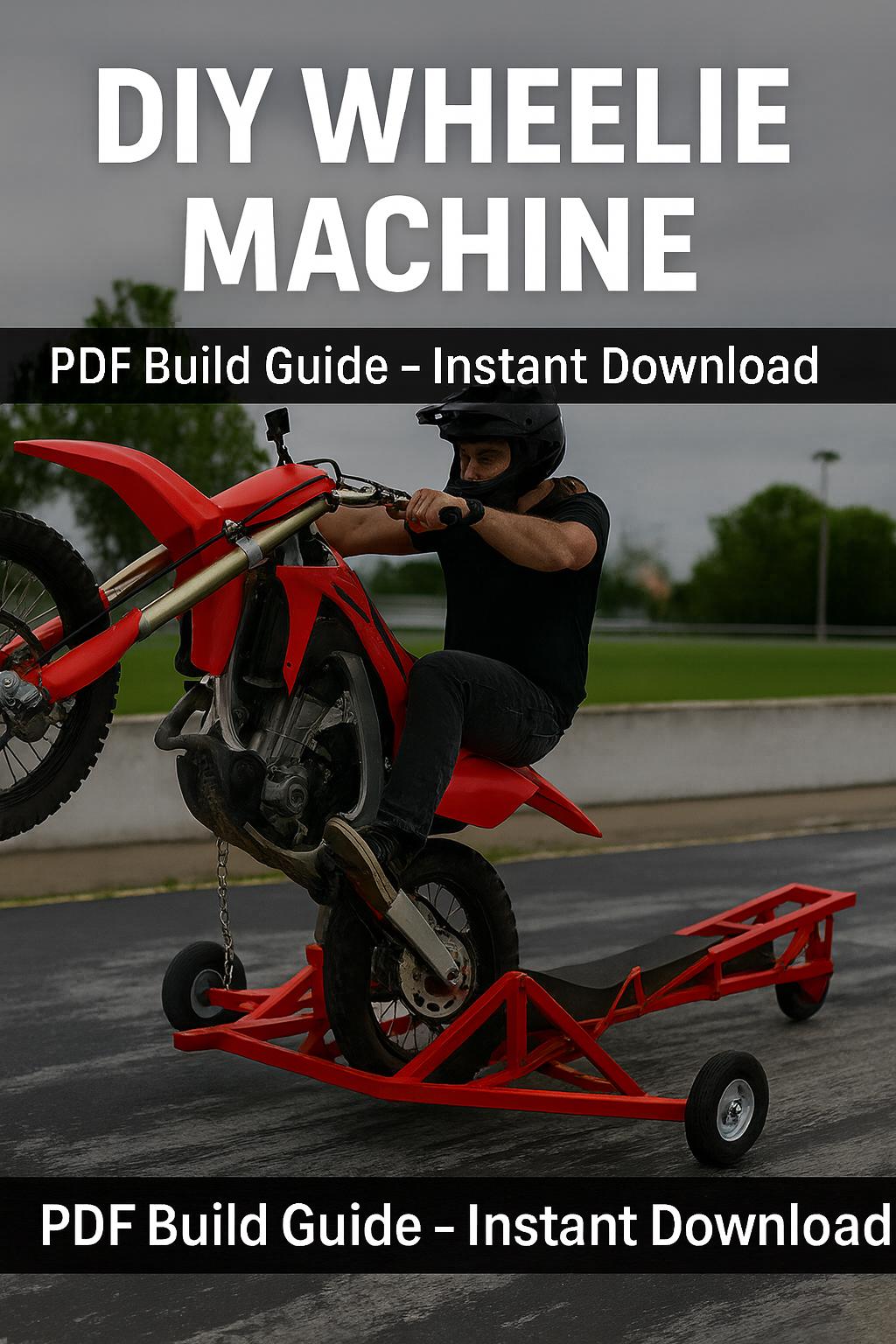
Credit: www.etsy.com
Frequently Asked Questions
How Can I Start Training Stunt Bikes At Home Safely?
Begin with basic bike control exercises in a clear, open space. Always wear protective gear like a helmet and pads. Start slow and master balance before attempting tricks. Use a bike suitable for stunts to reduce injury risks.
What Essential Equipment Do I Need For Home Stunt Training?
A stunt bike with strong brakes and sturdy tires is essential. Protective gear includes a helmet, gloves, knee, and elbow pads. Consider a flat, non-slippery training area and a small ramp or obstacle for practice.
How Often Should I Train Stunt Biking At Home?
Practice 3 to 5 times a week for 30 to 60 minutes. Consistent, short sessions improve skills without causing burnout. Rest days are important to prevent injuries and allow muscle recovery.
Which Basic Tricks Can I Learn At Home First?
Start with wheelies, bunny hops, and track stands. These build balance and bike control skills. Master these before moving to more advanced stunts to ensure safety and confidence.
Conclusion
Training at home for stunt bikes takes patience and practice. Start slow and focus on basic moves first. Use safety gear every time you ride. Practice regularly to build your skills and confidence. Small steps lead to big progress over time.
Enjoy the process and stay safe while learning. Consistency and care help you improve without rushing. Keep your space clear and your bike well-maintained. Remember, every rider started somewhere. Stay motivated and have fun with your stunt bike training.



