

If you want to run faster and avoid injuries on the track, increasing your flexibility is key. Flexibility helps your muscles move more freely, improves your stride, and boosts your overall performance.
But how exactly can you become more flexible in a way that truly benefits your track racing? You’ll discover simple, effective techniques designed just for you. Keep reading, and you’ll learn how to unlock your body’s full potential—so you can shave seconds off your time and feel stronger with every race.
Benefits Of Flexibility In Track Racing
Improved range of motionhelps runners move their legs and arms freely. This makes running smoother and easier. Better motion lets athletes take longer strides and turn quickly on the track.
Injury preventionis important for all runners. Flexible muscles and joints reduce the risk of strains and pulls. Stretching before and after races keeps the body safe and healthy.
Enhanced performancemeans running faster and with more power. Flexible muscles use less energy and help runners keep their speed longer. This can lead to better race times and more wins.
Key Muscles To Stretch For Track Racing
Stretching these key muscleshelps improve speed and agility on the track. The hamstringssupport leg movement and prevent tightness.
Strong and flexible quadricepshelp maintain balance and power during sprints. Hip flexorsallow a wider range of motion in your legs.
The calvesprovide push-off strength for quick starts. Stretching the lower backreduces stiffness and supports overall posture.
- Hamstrings: Stretch gently to avoid injury.
- Quadriceps: Keep them flexible for better knee movement.
- Hip Flexors: Stretch to increase stride length.
- Calves: Essential for fast acceleration.
- Lower Back: Helps with stability and reduces pain.
Dynamic Stretching Techniques
Leg swingshelp loosen hip muscles and improve leg mobility. Stand on one leg and swing the other forward and backward. Keep your movements smooth and controlled.
Lunges with a twiststretch your legs and hips while also working your core. Step forward into a lunge, then twist your torso toward the front leg. This helps increase range of motion.
High kneeswarm up the hip flexors and improve leg speed. Run in place, lifting your knees as high as possible. Keep a quick pace for better results.
Butt kicksstretch the front of your thighs and boost leg coordination. Jog in place, kicking your heels toward your glutes. Stay light on your feet and keep a steady rhythm.
Static Stretching Exercises
Stand straight and place one foot forward. Keep your back straight. Bend at your hips, not waist. Reach toward your toes. Feel the stretch in your hamstrings. Hold for 15-30 seconds. Switch legs and repeat. Always breathe deeply while stretching.
Sit on the floor with legs straight. Keep your back tall and straight. Reach for your toes with both hands. Feel the stretch in your back and legs. Hold for 20-30 seconds. Remember to breathe slowly and deeply.
Sit with soles of feet touching. Hold your feet with hands. Keep your back straight. Gently push knees toward the ground. Feel the stretch in your inner thighs. Hold for 20-30 seconds. Relax and breathe deeply.
Stand facing a wall. Place hands on the wall. Step one leg back, keeping it straight. Bend the front knee. Feel the stretch in your back leg’s calf. Hold for 15-30 seconds. Switch legs and repeat. Breathing deeply helps muscles relax.
Incorporating Yoga For Flexibility
Downward Dogstretches the hamstrings, calves, and spine. It also helps improve blood flowand warms up the muscles. Hold the pose for 30 seconds to feel a gentle stretch in your legs and back.
Pigeon Poseopens the hips and stretches the glutes. It helps release tight muscles that can limit your running stride. Stay in this pose for about 30 seconds on each side for best results.
- Warrior Seriesbuilds strength and flexibility in the legs and hips.
- Warrior I stretches the chest and shoulders while strengthening the legs.
- Warrior II improves balance and targets hip flexibility.
- Hold each pose for 20-30 seconds and switch sides.

Credit: www.muscleandfitness.com
Stretching Routine For Track Racers
Pre-Workout Warm-Uphelps prepare muscles and joints for running. Start with light jogging or brisk walking for 5 minutes. Follow with dynamic stretches like leg swings, arm circles, and hip openers. These moves increase blood flow and reduce injury risk.
Post-Workout Cool Downaids muscle recovery. Slow down with easy jogging or walking for 5 to 10 minutes. Then, do static stretches focusing on hamstrings, calves, quads, and hip flexors. Hold each stretch for 20 to 30 seconds to improve flexibility and reduce stiffness.
Rest Day Flexibility Workfocuses on gentle stretching and mobility exercises. Try yoga poses or deep stretches that target key running muscles. Keep movements slow and controlled. This helps maintain flexibility without strain.
Common Flexibility Mistakes To Avoid
Stretching too much can hurt your muscles. It makes them tired and sore. Instead, stretch gently. Listen to your body’s signals. If it hurts, stop right away. Always be careful when stretching.
Some muscles may be stronger than others. This makes the body unbalanced. Balance is important for track racing. Work on weaker muscles. This helps keep your body even and strong. Pay attention to every muscle group.
Warm-ups prepare your body for action. They help prevent injuries. Skipping warm-ups can cause muscle strains. Always start with a good warm-up. It gets your blood flowing. Your muscles become ready for exercise. Never forget this step.

Credit: pliability.com
Tracking Progress And Staying Motivated
Setting clear flexibility goalshelps track your progress better. Goals like touching your toes or doing a split create focus. Write down your goals and check them weekly. This makes it easier to see small improvements and stay motivated.
Using flexibility testsmeasures your current range of motion. Simple tests include reaching forward while sitting or standing. Record your results regularly to notice changes. This shows which stretches work and which need improvement.
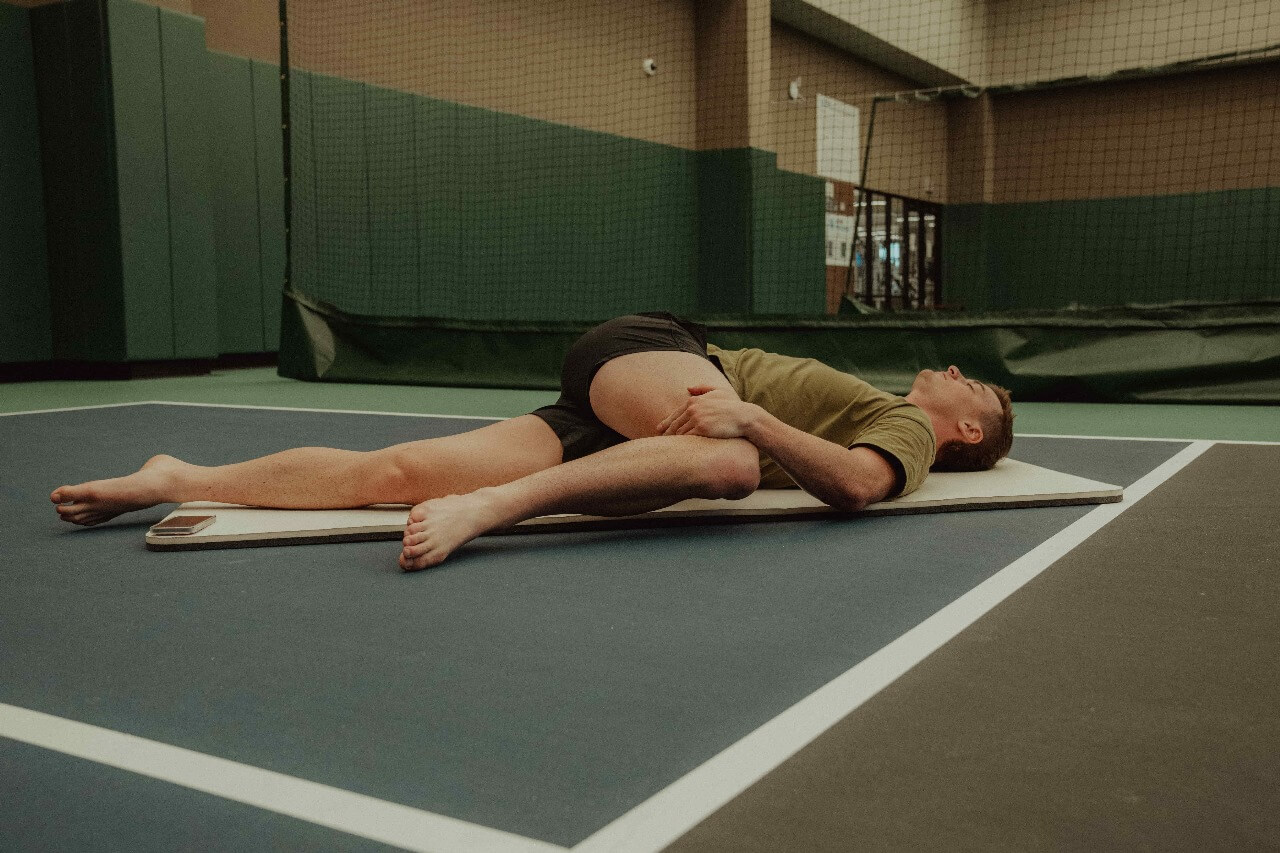
Maintaining consistencyis key. Stretch daily or at least three times a week. Short sessions of 10-15 minutes work well. Keep a schedule and stick to it. Consistency builds habits and improves flexibility over time.
Credit: pliability.com
Frequently Asked Questions
How Does Stretching Improve Track Racing Flexibility?
Stretching lengthens muscles and increases joint range of motion. It reduces injury risk and enhances stride efficiency, boosting overall track performance.
What Are The Best Exercises To Increase Flexibility For Track Racing?
Dynamic stretches like leg swings, lunges, and hip circles prepare muscles. Static stretches post-run help maintain and improve long-term flexibility effectively.
How Often Should I Stretch To Boost Track Racing Flexibility?
Stretch daily or at least 4-5 times weekly. Consistent stretching ensures gradual flexibility gains and supports muscle recovery between training sessions.
Can Yoga Enhance Flexibility For Track Racing?
Yes, yoga improves flexibility, balance, and muscle control. It also promotes relaxation and recovery, which are vital for track athletes.
Conclusion
Increasing flexibility helps improve your track racing performance. Stretch daily to keep muscles loose and ready. Focus on key areas like hips, hamstrings, and calves. Stay consistent with your routine for steady progress. Remember, small steps lead to big gains over time.
Flexibility reduces injury risk and boosts speed. Keep practicing, and you will feel the difference soon. Flexibility is a simple but powerful tool for any racer.



