
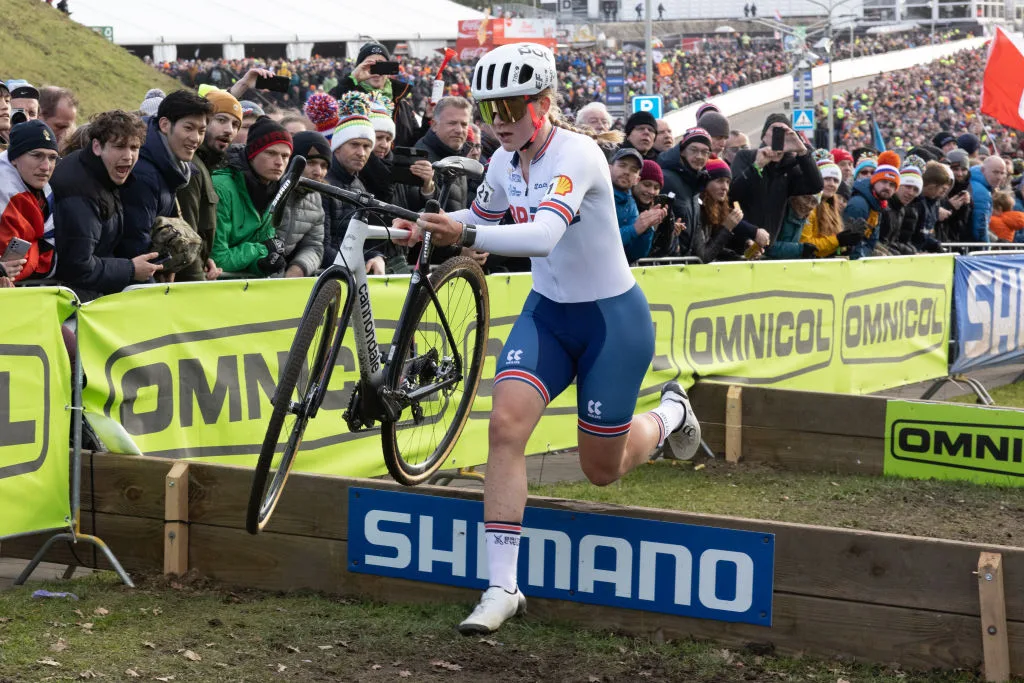
Are you struggling to keep control when the trail gets slippery or rough? Maximizing traction in cyclocross can make the difference between pushing through tough sections or getting stuck.
Imagine feeling confident on every turn, every climb, and every muddy patch. You’ll discover simple, effective tips to boost your grip and improve your ride. Whether you’re a beginner or looking to sharpen your skills, these strategies will help you stay steady and race stronger.
Keep reading to unlock the secrets that will transform how you handle your cyclocross bike.
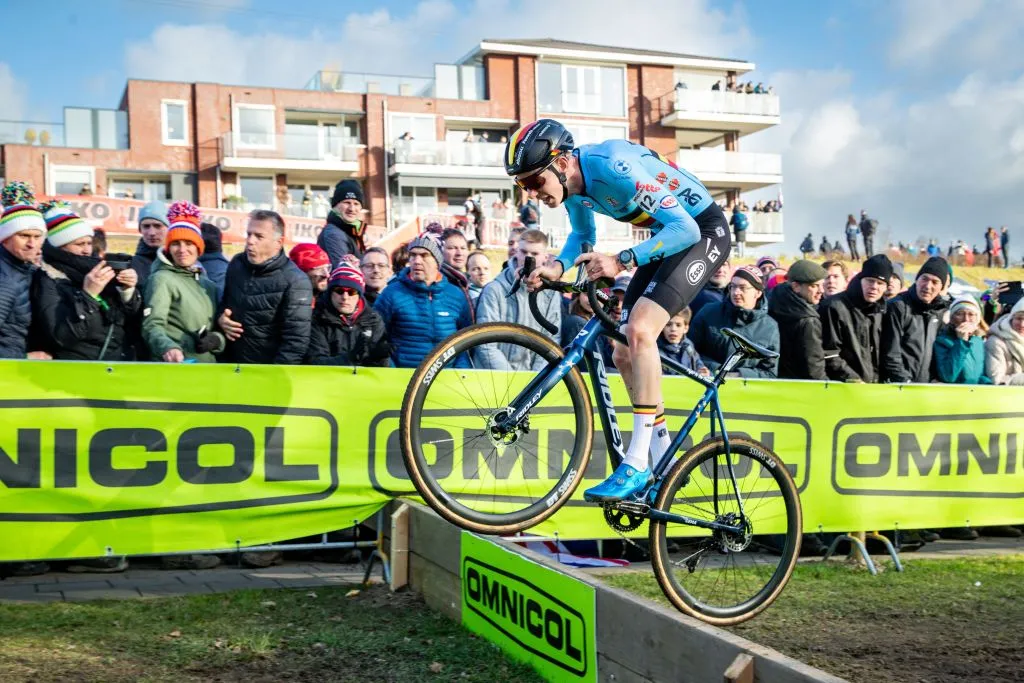
Credit: www.bikeradar.com
Choosing The Right Tires
Tread patternsaffect grip on different surfaces. Knobby treads work well on loose dirt and mud. Small, tight treads perform better on hard, packed surfaces. Mixed tread patterns suit varied terrain. Choose a tread that matches the race course for best traction.
Optimal tire widthsvary by rider and terrain. Narrow tires (28-32mm) are faster on smooth ground. Wider tires (33-40mm) offer more grip on rough or soft surfaces. Wider tires also provide extra comfort by absorbing bumps.
| Tire Type | Advantages | Disadvantages |
|---|---|---|
| Tubeless Tires | Lower risk of flats, better grip, can run lower pressure | Need airtight rims, more setup time |
| Tubed Tires | Easier to install, works with all rims | Higher risk of pinch flats, heavier |
Adjusting Tire Pressure
Tire pressureis key to good cyclocross traction. For muddy conditions, use lower pressure. This helps tires dig in and grip the wet ground better. Aim for around 20-25 psi. Too low can cause pinch flats, so watch out.
For dry and hardpacksurfaces, higher pressure works best. Around 30-35 psikeeps rolling smooth and fast. It stops the tire from sinking into hard dirt and lets you keep speed.
Balancing grip and rolling resistanceis important. Lower pressure gives more grip but slows you down. Higher pressure rolls faster but can slip. Find a pressure that matches the race and track conditions. Adjust as needed for best traction.
Mastering Bike Handling Skills
Cornering Techniqueshelp keep your bike steady and fast around bends. Slow down before the turn, not during it. Look where you want to go, not at the ground. Lean the bike, not your body, to keep balance. Use the outside pedal down to grip the ground better.
Weight Distributionis key for good traction. Keep your weight centered but slightly back on rough parts. Shift your weight forward on smooth or uphill sections. This helps the tires grip the surface better and avoids slipping.
Braking Strategieskeep control without losing speed. Use both brakes gently and evenly. Brake before corners, not inside them. Avoid sudden stops that can cause skids. Practice smooth braking to keep your bike stable.
Optimizing Bike Setup
Suspensionshould be soft enough to absorb bumps but firm enough for control. A light framehelps in quick moves and better handling on rough tracks. Look for frames that are strong but not too heavy.
Choose pedalsthat hold your shoes firmly. Clipless pedals give better power transfer. Pair them with shoes that have good grip and stiff soles for strong pedal strokes. Comfort matters to avoid foot pain during the ride.
| Chain and Drivetrain Tip | Why it Matters |
|---|---|
| Keep chain clean and lubricated | Prevents slipping and improves shifting |
| Check for worn parts regularly | Ensures smooth gear changes and less breakdown |
| Tighten bolts and check alignment | Keeps drivetrain running smoothly and safely |
Training For Traction
Strength and balance exerciseshelp improve control on the bike. Squats, lunges, and planks build leg and core muscles. These muscles keep you stable on rough paths. Balance training, like standing on one foot, sharpens body control.
Practicing on varied terrain builds skill and confidence. Ride on mud, gravel, grass, and hills. Each surface teaches you how to adjust your speed and balance. This practice helps the tires grip better.
Mental focus and quick reactions are key. Staying calm helps you handle sudden slips. Watch the path ahead and be ready to steer fast. Sharp reflexes help keep traction on tricky spots.
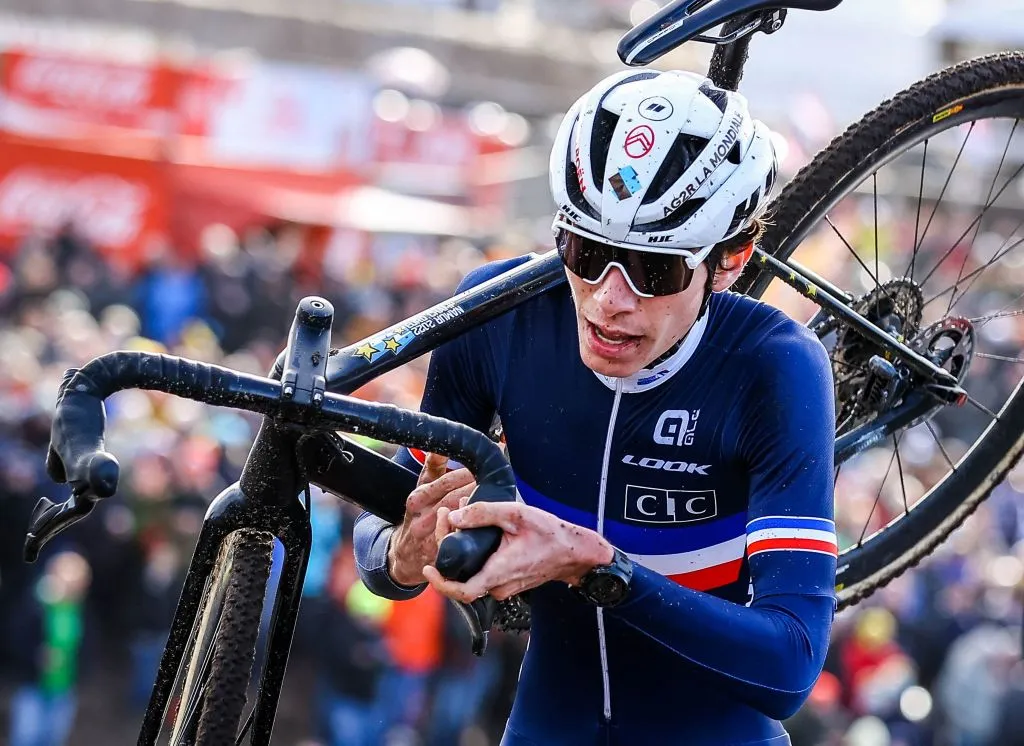
Credit: www.bikeradar.com
Weather And Course Adaptations
Weather and Course Adaptations Maximize traction in cyclocross by choosing the right tires for the terrain. Adjust tire pressure to enhance grip on muddy or slippery surfaces. Wear appropriate gear to stay comfortable in varying weather conditions. Focus on maintaining balance and adapting techniques for different course challenges.
Riding In Wet Conditions
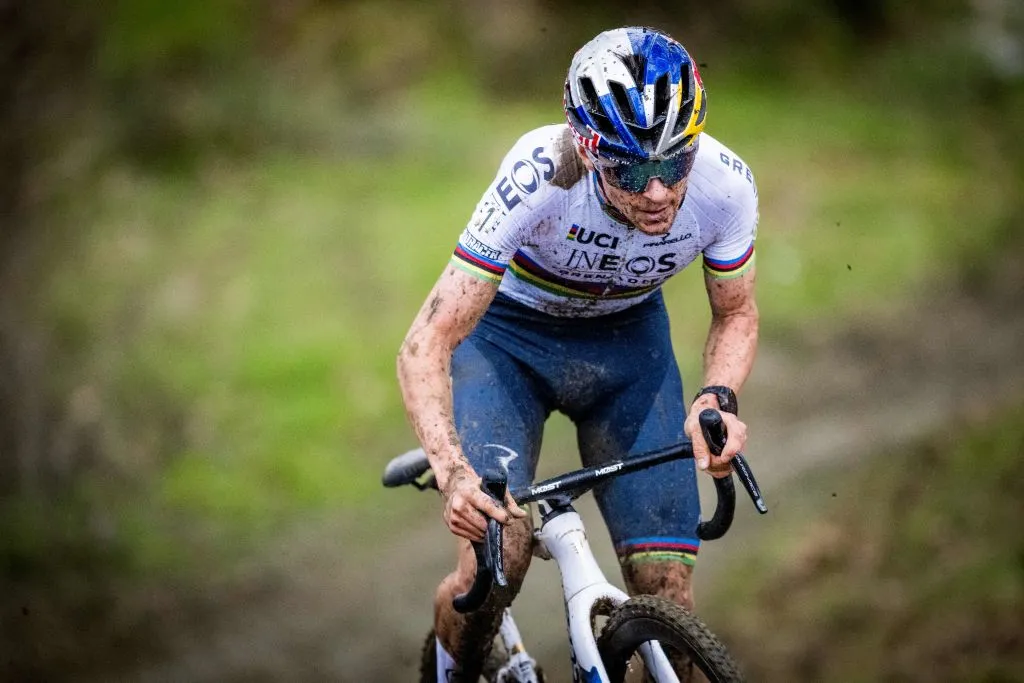
Mud makes cycling slippery. Use tires with deep treads for better grip. Lower the tire pressure slightly to increase traction. Keep your body balanced and centered on the bike. Lean slightly forward when climbing. Use your brakes gently to avoid skidding. Wear a waterproof jacket to stay dry and warm.
Handling Snow And Ice
Snow and ice require careful riding. Use tires with metal studs for better grip. Keep your weight back to avoid skidding. Pedal smoothly and avoid sudden movements. Dress warmly in layers to stay comfortable. Watch for black ice, which can be hard to see. Practice riding in snow to gain confidence.
Adjusting Strategy For Course Changes
Courses change often in cyclocross. Be ready to adapt quickly. Study the course before racing. Look for tricky parts like steep hills or sharp turns. Plan how to handle these areas. Stay flexible and adjust your speed. Listen to your body and rest if needed. Always have fun and enjoy the race!
Credit: www.bikeradar.com
Frequently Asked Questions
What Tire Pressure Is Best For Cyclocross Traction?
Optimal tire pressure varies with terrain but generally ranges from 25 to 35 psi. Lower pressure increases grip by expanding tire contact with the ground. Adjust pressure based on mud, sand, or hardpack surfaces for maximum traction and control during cyclocross races.
How Do Tire Tread Patterns Affect Cyclocross Grip?
Tire tread impacts traction by channeling mud and debris away from the tire. Aggressive knobs improve grip in soft, muddy conditions, while less pronounced tread suits hard, dry surfaces. Choosing the right tread pattern enhances stability and prevents slipping on varied cyclocross courses.
Can Riding Technique Improve Cyclocross Traction?
Yes, proper riding technique boosts traction significantly. Maintaining smooth, consistent pedaling and shifting your weight forward on climbs enhances tire contact. Avoid sudden movements and stay relaxed to keep better control, especially on slippery or uneven cyclocross terrain.
How Does Bike Setup Influence Traction In Cyclocross?
Bike setup affects traction through tire choice, pressure, and suspension settings. A well-tuned bike with appropriate tires and pressure improves grip and handling. Adjusting saddle height and handlebar position also helps maintain balance and stability on challenging cyclocross tracks.
Conclusion
Maximizing traction in cyclocross takes focus and smart choices. Choose tires that suit the terrain and keep them clean. Adjust tire pressure to find the right grip balance. Practice your riding technique on different surfaces. Staying steady and confident helps maintain control.
These steps improve your ride and boost your confidence. Keep learning and experimenting for better results. Small changes make a big difference on the course. Enjoy the challenge and ride with more traction every time.



