
Choosing the right touring bike can feel overwhelming, especially if you’re just starting out. You want a bike that fits your needs, feels comfortable, and can handle the adventures ahead.
But how do you know what to look for? This guide will help you cut through the confusion and find the perfect touring bike for your first big ride. By the time you finish reading, you’ll feel confident and ready to make a smart choice that sets you up for success on the road.
Let’s dive in and get you on the path to your next great journey.
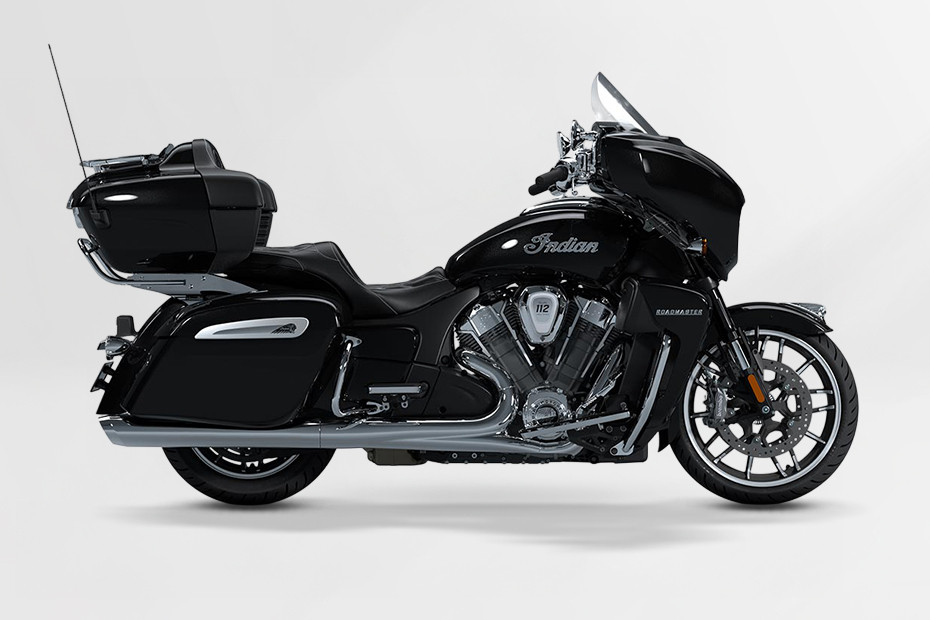
Credit: www.bikedekho.com
Choosing The Right Frame
Frame materialsaffect bike weight and comfort. Steel frames are strong and smooth. Aluminum frames are light and rust-resistant. Carbon fiber frames are very light, but costly. Titanium frames are durable and light, but expensive.
Choosing the right frame sizeis key. A frame too big or small can cause pain. Measure your inseam lengthand top tube lengthto find a good fit. Your feet should touch the ground when sitting. The handlebars should be easy to reach without stretching.
| Frame Material | Benefits |
|---|---|
| Steel | Strong, smooth ride, affordable |
| Aluminum | Lightweight, rust-resistant, budget-friendly |
| Carbon Fiber | Very light, absorbs shocks, pricey |
| Titanium | Durable, light, long-lasting, expensive |
Essential Touring Bike Features
Gearing optionsmatter a lot for touring bikes. Bikes with a wide range of gears help you pedal easily on hillsand flat roads. Low gears make climbing easier, while high gears help on straight, smooth paths. Choose bikes with at least 21 gearsfor better control on different terrains.
Brake types affect safety and bike control. Disc brakeswork well in rain and mud. They stop better on rough roads. Rim brakesare lighter and easier to fix, but they need dry conditions. Pick brakes that fit your travel style and weather.
| Tire Type | Durability | Best For |
|---|---|---|
| Wide Tires | High | Gravel, rough roads |
| Narrow Tires | Medium | Smooth pavement |
| Puncture-Resistant Tires | Very High | Long tours, all terrains |
Comfort And Ergonomics
Handlebar stylesaffect how your hands and back feel on long rides. Drop bars offer multiple hand positions but may feel lower. Flat bars give a more upright posture, easing back strain. Butterfly or trekking bars provide many grip options, good for comfort on long tours.
Choosing the right saddleis key for endurance. Look for a saddle with enough padding but not too soft. Wide saddles support sit bones better. Gel or memory foam covers add extra comfort. Trying different saddles can help find the best fit for your body shape.
Adjusting the suspensionand seatpostcan reduce bumps and pressure. A suspension fork or seatpost absorbs shocks from rough roads. Make sure the seatpost height is set so your legs extend comfortably. This helps prevent knee pain and keeps pedaling efficient.

Credit: www.bikeradar.com
Load Capacity And Rack Compatibility
Check the bike’s load capacitybefore adding racks and bags. Each touring bike has a weight limit. This limit includes the rider and all gear. Exceeding the limit can cause damage or unsafe riding.
Choose racks that fit your bike. Some racks attach to specific points like the frame or fork. Make sure the rack can hold the weight you plan to carry. Steel racks are strong but heavier. Aluminum racks are lighter but may carry less weight.
Panniers must match the rack. Look for panniers with secure hooks and straps. Waterproof panniers protect your gear from rain. Consider size and ease of use. Balance your load evenly on both sides.
Budgeting For Your First Touring Bike
Choosing between new and used touring bikesdepends on your budget and needs. New bikes offer the latest features and less wear. Used bikes cost less but may need repairs. Check the frame, tires, and gears carefully before buying used.
Set a clear budget first. Focus on important featureslike a strong frame, comfortable seat, and reliable brakes. You can upgrade smaller parts later.
| Feature | Priority | Reason |
|---|---|---|
| Frame | High | Durability and weight affect ride quality |
| Brakes | High | Safety on long rides |
| Gears | Medium | Helps on hills but can be upgraded |
| Comfort (seat and handlebars) | High | Long rides need comfort |
| Extras (racks, fenders) | Low | Can add later as needed |

Credit: www.youtube.com
Test Riding And Final Checks
Take your chosen touring bike for a short test ride to feel its comfort and handling. Check brakes, gears, and tires carefully before any long trips. Ensure everything works smoothly for a safe and enjoyable ride.
What To Look For During Test Rides
Feel the bike’s comfort. Check the seat and handlebars. Make sure they fit your size. Test the brakes. They should be smooth and easy to use. Shift the gears. See if they change easily. Listen for strange noises. A quiet bike is often a good sign.
Inspecting Bike Components And Build Quality
Look at the frame. It should be strong and sturdy. Examine the tires. They need to be in good shape. Check the chain. It must be clean and not rusty. Inspect the pedals. They should turn smoothly. Don’t forget the handlebars. They should not wobble. This means the bike is well-made.
Popular Touring Bike Models For Beginners
Choosing the right touring bike means finding a model that fits your comfort and riding style. Popular beginner bikes offer sturdy frames and easy handling for long rides. Simple gears and reliable brakes help new riders enjoy their journeys safely.
Top Entry-level Touring Bikes In 2025
Many beginners love the Giant Escape 3. It’s affordable and reliable. The Trek FX 1 is another popular choice. It’s known for its smooth ride. The Cannondale Quick 6 offers great value. It has a sturdy frame and easy handling. The Schwinn Discover is also well-liked. It’s comfortable for long rides. Each bike offers good features for beginners.Custom Vs. Off-the-shelf Options
Choosing a bike can be tricky. Off-the-shelf bikes are ready to ride. They are simple to buy. Custom bikes are tailored to you. They fit perfectly but cost more. Beginners often choose off-the-shelf. It’s easier and cheaper. Custom bikes are for special needs. Decide based on budget and needs. Both options have benefits. `Frequently Asked Questions
What Is The Best Frame Material For Beginner Touring Bikes?
Steel frames are ideal for beginners due to their durability and comfort. They absorb road vibrations well and are easier to repair on long tours. Steel also offers a good balance of weight and strength, making it a popular choice for touring bikes.
How Important Is Bike Fit For Touring Beginners?
Bike fit is crucial for comfort and efficiency on long rides. A proper fit prevents pain and fatigue, allowing you to enjoy your tour. Beginners should get a professional bike fitting to ensure the frame size and components suit their body.
What Gear Setup Suits Beginner Touring Cyclists?
Beginners benefit from a wide gear range with low gears for climbing hills. A triple chainring or a wide-range cassette provides versatility. This setup helps manage various terrains and loads, making rides less strenuous and more enjoyable.
Should Beginners Choose Disc Brakes Or Rim Brakes?
Disc brakes offer better stopping power, especially in wet conditions. They require less hand strength and provide consistent braking. Beginners often prefer disc brakes for added safety and confidence on diverse touring routes.
Conclusion
Choosing the right touring bike makes your trips more fun and safe. Think about comfort, weight, and durability first. Test ride different bikes before you buy. Don’t forget to check the bike’s gear system and tires. A good bike fits your body and riding style well.
Take your time to decide. A well-chosen bike helps you enjoy every mile. Start your adventure with confidence and joy.



