
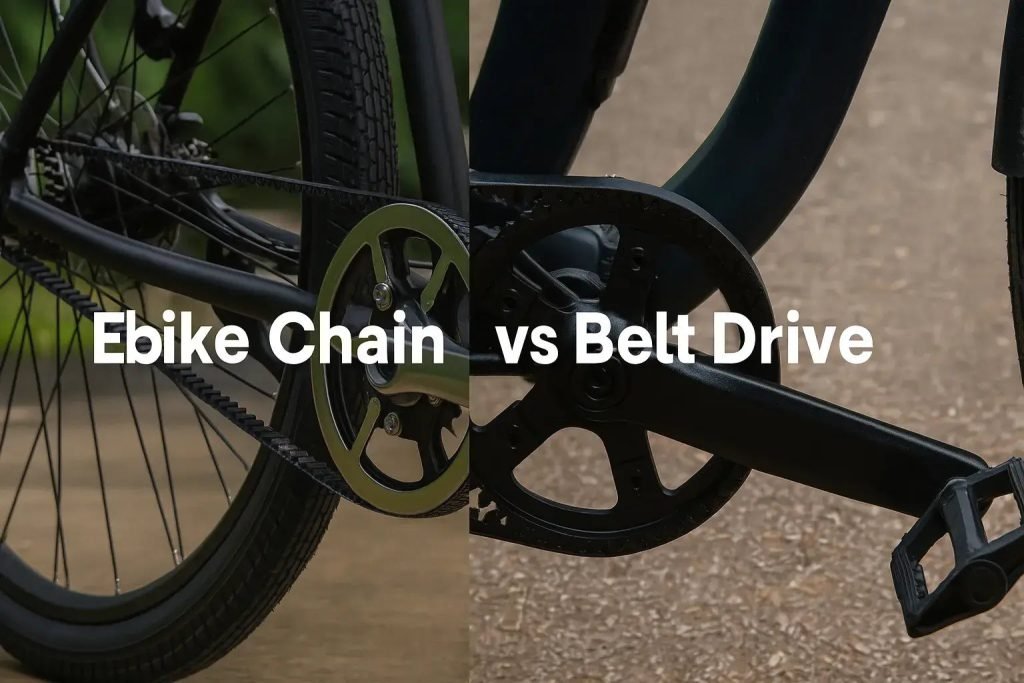
Choosing between a belt drive and a chain for your mini velo bike can feel confusing. You want a ride that’s smooth, reliable, and low-maintenance.
But how do you know which option fits your lifestyle best? You’ll discover the key differences that affect performance, durability, and upkeep. By the end, you’ll have a clear idea of which drive system matches your needs—and enjoy every ride even more.
Keep reading to make the smartest choice for your mini velo bike.

Credit: handsonbike.blogspot.com
Belt Drive Basics
Belt drives use a smooth belt to move the bike’s wheels. They wrap around two pulleys, one on the pedals and one on the rear wheel. The belt turns silently and needs less care than chains.
| Key Components | Description |
|---|---|
| Belt | Made from strong, flexible material that lasts long |
| Pulleys | Round wheels that the belt fits on to move power |
| Tensioner | Keeps the belt tight for smooth riding |
Common materials for belts include carbon fiber and rubber. These materials are light and resist wear. Pulleys are often made from aluminum or steel for strength. This setup helps the bike stay quiet and clean.
Credit: yosudabikes.com
Chain Drive Essentials
Chain drives use a metal chainto transfer power from pedals to wheels. This system is common in many mini velo bikes. The chain moves over sprocketsand gears to create motion.
Key parts include the chain, front chainring, rear sprocket, and derailleurfor shifting gears. These parts work together to keep the bike moving smoothly.
| Part | Function | Material |
|---|---|---|
| Chain | Transfers power | Steel, sometimes coated |
| Chainring | Connects pedals to chain | Aluminum, steel |
| Sprocket | Drives the wheel | Steel, aluminum |
| Derailleur | Moves chain between gears | Aluminum, plastic |
Performance Differences
Belt drive systemsoffer smooth and quiet pedaling. They have less friction, which means better efficiency. Chains can be slightly less efficient due to metal-on-metal contact. Belt drives don’t need lubrication, so they stay clean and fast.
Durabilityfavors belt drives because they resist rust and stretch. Chains wear out faster and may need regular tightening or replacement. Maintenance for belts is simple; just keep them dry. Chains require oiling and cleaning to avoid damage.
Noise levels differ greatly. Belt drives are much quieter, making rides more peaceful. Chains produce more noise, especially when dry or dirty. Riders who want a silent ride prefer belts. Those who like the classic bike sound might choose chains.
Mini Velo Bike Suitability
Choosing between belt drive and chain mini velo bikes depends on maintenance needs and riding style. Belt drives offer quiet, low-upkeep rides, while chains provide easier repairs and more gear options. Consider where and how often you ride to decide the best fit.
Urban Riding Needs
Mini Velo bikes are perfect for city rides. They are small and easy to handle. These bikes fit well in crowded places. Commuters love them for quick trips. The compact size helps in heavy traffic. Parking is a breeze with these bikes. They can be stored in small spaces.
Terrain Considerations
Mini Velos are best for flat and smooth roads. They struggle on rough or hilly terrains. Riders may find it hard on steep hills. Smooth pavements are their best friend. City streets suit them well.
Weight And Size Impact
These bikes are lightweight and portable. Carrying them upstairs is easy. They fit in small apartments. Lightweight frames make them easy to lift. Perfect for small storage spaces. Their size is ideal for quick city rides.
Maintenance And Longevity
Cleaning belt drivesis simple. Wipe them with a damp cloth. Avoid using oil or grease. This keeps the belt clean and dry.
Chain drivesneed more care. Clean with a brush and mild degreaser. Dry well before applying lubricant. This prevents rust and dirt build-up.
| Replacement Frequency | Belt Drive | Chain Drive |
|---|---|---|
| How often to replace | Every 3 to 5 years | Every 1 to 2 years |
| Wear signs | Cracks or fraying | Stretching or rust |
- Belt drivescost more upfront but need less maintenance.
- Chain drivesare cheaper but require regular oiling and cleaning.
- Long-term upkeep cost is lower for belt drives.
Cost And Availability
The initial priceof mini velo bikes varies by drive type. Belt drive models usually cost more upfrontbecause of the belt’s advanced materials. Chain drive bikes often come with lower pricesdue to simpler parts.
Parts for chain drives are easy to findin many bike shops. Belts and belt drive parts may be harder to findand sometimes more expensive. This can affect maintenance and repair costs.
| Factor | Belt Drive | Chain Drive |
|---|---|---|
| Initial Price | Higher cost due to materials | Lower cost, widely available |
| Parts Accessibility | Less common, can be pricey | Easy to find, affordable |
| Resale Value | Can hold value well if cared for | Varies, often depreciates faster |
Resale value depends on condition and demand. Belt drive bikes often keep value due to durability. Chain drive bikes may lose value quicker but sell easier in some markets.
Rider Preferences
Riders often choose belt drives for low maintenance and quiet rides. Chain drives suit those who want easy repairs and cost savings. Personal habits and riding style shape the best choice for mini velo bikes.
Comfort And Feel
Comfort is important for every rider. Belt drives offer a smooth ride. They have fewer vibrations compared to chains. Chains can feel more responsive. They might suit those who like a sportier feel. A belt drive is also cleaner. It doesn’t require messy oil. Choose based on your comfort needs.
Aesthetic Appeal
Belt drive bikes look sleek and modern. They have a clean design with no visible chain. Some riders love this look. Chain bikes have a classic design. They show off a traditional bike style. Both have their own charm. Decide what looks best to you.
Noise Sensitivity
Belt drives are very quiet. They don’t make much noise at all. This is great for quiet rides. Chains can be noisier. They might clink or rattle. Some riders like hearing the chain. Others prefer silence. Think about what you prefer on your rides.
Making The Right Choice
Think about how often you will ride your mini velo bike. Belt drives need less care and are quieter. Chain drives are easier to fix and often cost less. Consider the weather too. Belt drives resist rust, good for rainy places. Chains can wear out faster in wet or muddy conditions.
Try riding both types if possible. Notice which feels smoother or needs less work. Pay attention to noise and how the bike handles hills. Testing helps understand real-life use and comfort.
- Choose belt drive for low maintenance and quiet rides.
- Pick chain drive for easy repairs and lower initial cost.
- Think about your local weather and riding style.
- Test both to see which feels better for you.

Credit: leoguarbikes.com
Frequently Asked Questions
What Are The Main Differences Between Belt And Chain Drives?
Belt drives are quieter, cleaner, and require less maintenance. Chain drives offer better power transfer and are more common on mini velo bikes. Your choice depends on riding style, maintenance preference, and durability needs.
Which Drive System Is Better For City Commuting?
Belt drives are ideal for city commuting due to their low maintenance and smooth operation. Chains may need frequent cleaning but provide efficient power for stop-and-go traffic. Consider convenience and durability for urban use.
Are Belt Drives More Durable Than Chains?
Yes, belt drives generally last longer and resist rust and stretching. Chains wear out faster and require regular lubrication. However, high-quality chains can also offer good durability with proper care.
Can I Switch From Chain To Belt Drive On My Mini Velo?
Switching is possible but may require specific frame compatibility and components. Belt drives need a frame with an open rear triangle. Consult a bike mechanic to ensure proper fit and installation.
Conclusion
Choosing between belt drive and chain mini velo bikes depends on your needs. Belt drives need less care and run quietly. Chains are easier to fix and more common. Think about your budget and how often you ride. Weather and terrain also matter in your choice.
Both types offer good rides but suit different uses. Take time to decide what fits you best. Your perfect mini velo bike is waiting.



