
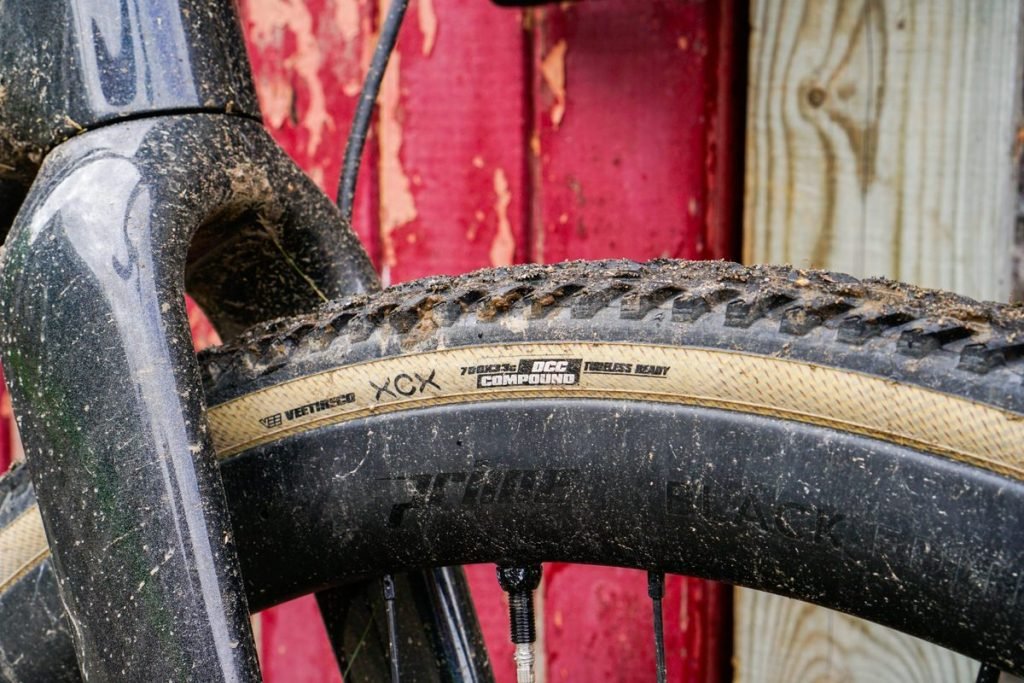
Are you ready to take your cyclocross performance to the next level? One simple but powerful way to do that is by adjusting your tire pressure just right for the track conditions.
The pressure in your tires can make a huge difference in grip, speed, and control. Too high, and you might lose traction on tricky sections. Too low, and you risk getting stuck or damaging your rims. You’ll learn exactly how to find the perfect tire pressure for any cyclocross course.
Keep reading to discover easy tips that will help you ride smarter, faster, and with more confidence.
Tire Pressure Basics
Tire pressureaffects how your bike handles on cyclocross tracks. Lower pressure gives better grip on loose or wet surfaces. Higher pressure helps on hard or smooth ground.
Too low pressure can cause pinch flatsor make pedaling harder. Too high pressure reduces control and comfort. Finding the right balance is key.
| Unit | Description | Common Use |
|---|---|---|
| PSI | Pounds per square inch | Mostly used in the US |
| Bar | Metric unit of pressure | Common in Europe |
| kPa | Kilopascals, metric unit | Used worldwide, less common |
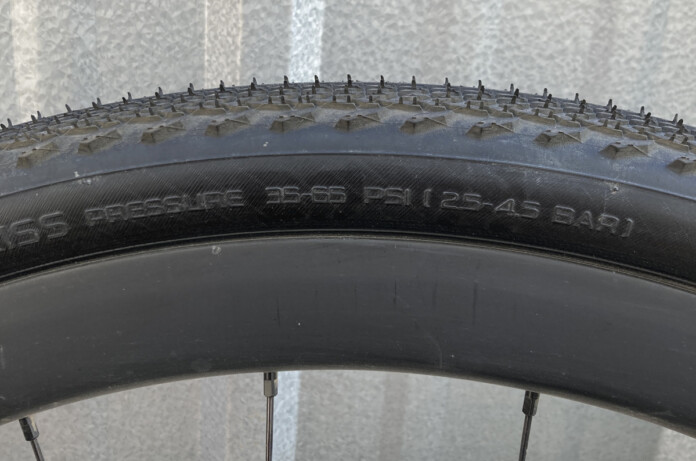
Credit: www.cyclingwest.com
Factors Influencing Tire Pressure
Tire pressurechanges depending on the track surface. Soft dirt or mud needs lower pressurefor better grip. Hard surfaces like gravel or pavement require higher pressurefor faster rides. Gravel tracks often need a balance between grip and speed.
Weatheraffects tire pressure too. Cold weather causes air to shrink, lowering pressure. Hot weather expands air, increasing pressure. Wet or muddy tracks call for lower pressure to prevent slipping.
Rider weight influences the pressure needed. Heavier riders need higher pressureto avoid tire squish. Lighter riders can use lower pressurefor better comfort and traction. Adjust pressure by about 5 psi for every 20 pounds difference.
Recommended Pressure Ranges
Maintaining the right tire pressurehelps with grip and control on cyclocross tracks. Pressure changes based on track conditionsand tire width.
| Condition | Pressure Range (psi) | Notes |
|---|---|---|
| Dry Cyclocross Tracks | 30-40 psi | Higher pressure for less rolling resistance |
| Wet and Muddy Conditions | 20-30 psi | Lower pressure for better traction and grip |
| Mixed Terrain Scenarios | 25-35 psi | Balance between grip and speed |
Check pressure before every ride. Adjust slightly for personal comfort and tire type. Proper pressure keeps you safe and fast.
Adjusting Pressure For Performance
Adjusting tire pressure affects cyclocross performance a lot. Lower pressure improves tractionby letting tires grip better on loose or muddy ground. This helps riders stay stable and avoid slipping. Soft tires also absorb bumps, which enhances comfortduring rough rides.
But very low pressure can increase rolling resistance. Higher pressure reduces rolling resistance, making it easier to pedal on hard surfaces. It also prevents pinch flatsand protects rims from damage.
- Improving Traction:Use lower pressure for better grip on loose tracks.
- Enhancing Comfort:Softer tires absorb shocks and vibrations well.
- Reducing Rolling Resistance:Higher pressure rolls faster on firm ground.
Tools For Measuring And Adjusting
A reliable pressure gauge helps check tire pressure accurately before riding. A portable pump lets you adjust pressure easily on cyclocross tracks. Regular checks ensure better grip and smoother rides on varied surfaces.
Using a pressure gauge is very important. It tells you the tire’s air pressure. Digital gauges show numbers on a screen. Analog gauges have a needle pointing to numbers. Accuracy is key for safe rides. Always check before racing. A pump helps fill the tire with air. Use a floor pump for best results. It has a long handle for easy pumping. Inflators are small and handy. They use compressed air cartridges. Fast and simple for quick fixes. Tubeless tires seal better for cyclocross tracks. Use special tape on the rim. This keeps air from leaking. Add sealant inside the tire. It plugs small holes automatically. Check for leaks before riding. Keep everything tight and secure. `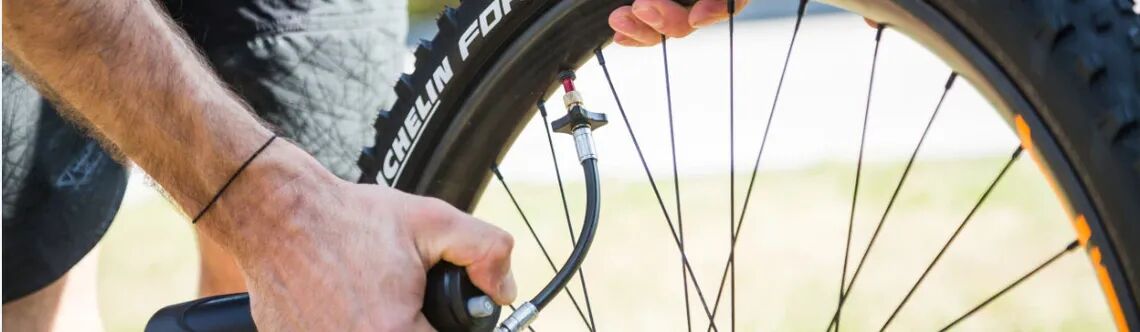
Credit: www.michelin.ca
Common Mistakes To Avoid
Avoid setting tire pressure too high or too low, as it affects grip and control on cyclocross tracks. Neglecting to check pressure before rides can lead to poor performance and tire damage. Always adjust pressure based on track conditions for better handling.
Overinflation Risks
Overinflating tires can make them too hard. This reduces grip on the track. Cyclists might slip and fall. It’s important to check tire pressure regularly. Always use a reliable gauge. Proper pressure helps in safe rides.
Underinflation Problems
Underinflated tires are too soft. They can slow you down. You might have to pedal harder. Tires can also get damaged easier. Always ensure the right balance. This keeps tires in good shape. It also ensures better performance.
Ignoring Track Conditions
Track conditions change often. Wet tracks need different tire pressures. Dry tracks might need more grip. Always adjust pressure according to the track. This helps in better handling. It also keeps you safe during rides.
Tips For On-the-fly Adjustments
Quick pressure checks help keep your ride smooth and safe. Use a small, portable pressure gauge for fast readings. Check tire pressure before and after each race to spot changes. Adjust air pressure based on track conditions. Softer tracks may need lower pressure for better grip. Hard or dry tracks often require higher pressure for speed and control.
Adjusting between races can improve performance. Let some air out if the track is muddy or soft. Add air if the track is dry and hard. Small changes can make a big difference. Keep track of your settings to find what works best.
- Carry a mini pump or CO2 inflator for quick air top-ups.
- Bring a compact pressure gauge to check tire pressure anytime.
- Pack tire levers and patch kits for fixing flats.
- Use a small tool bag or jersey pockets for easy access.
- Keep everything light to avoid slowing down your ride.
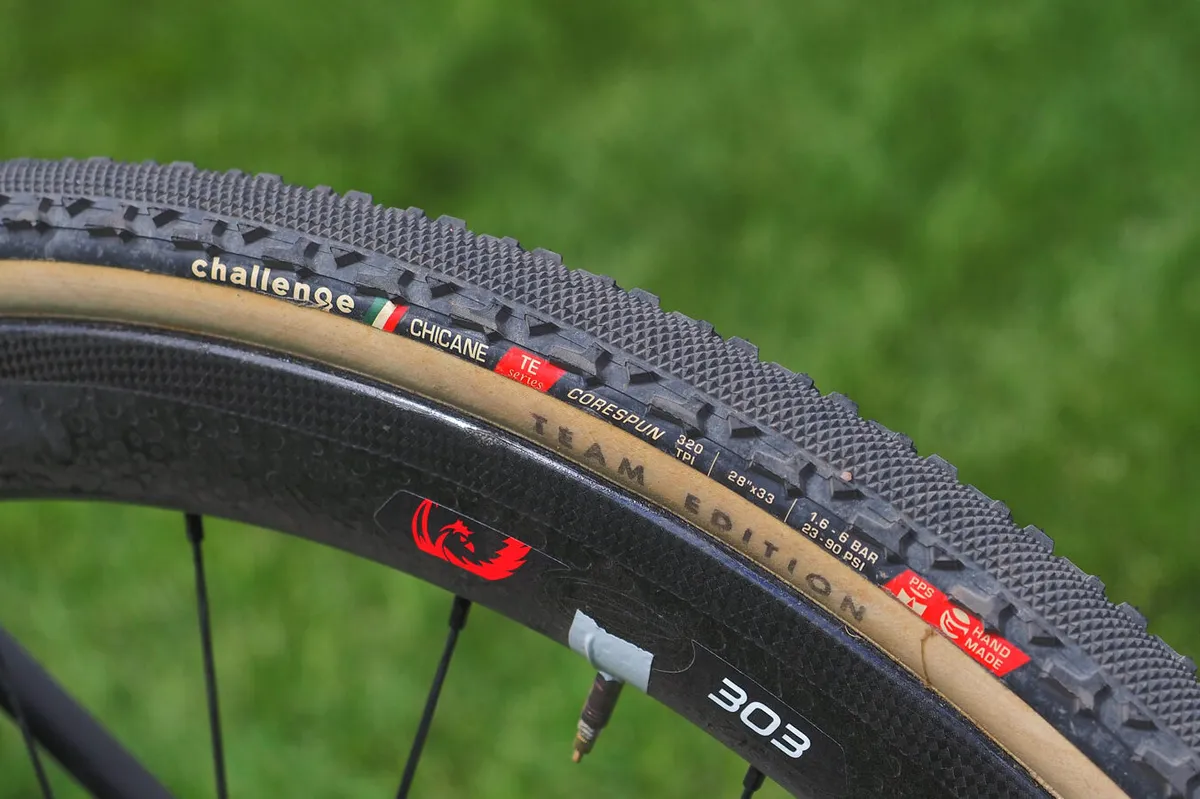
Credit: www.bikeradar.com
Frequently Asked Questions
What Is The Ideal Tire Pressure For Cyclocross Tracks?
The ideal tire pressure varies between 20-35 PSI depending on terrain and rider weight. Lower pressure improves traction on mud, while higher pressure suits hard surfaces.
How Does Tire Pressure Affect Cyclocross Bike Handling?
Proper tire pressure enhances grip, control, and comfort. Too high pressure reduces traction, while too low increases rolling resistance and risk of pinch flats.
When Should I Adjust Tire Pressure During A Cyclocross Race?
Adjust pressure before the race based on track conditions. Lower pressure for muddy, soft tracks and higher for dry, hard-packed surfaces.
Can Tire Pressure Impact Cyclocross Race Performance?
Yes, correct pressure improves speed, stability, and cornering. Incorrect pressure can cause loss of control and slower lap times.
Conclusion
Adjusting tire pressure helps you ride better on cyclocross tracks. Lower pressure improves grip on soft ground. Higher pressure works well on hard, dry surfaces. Check your tires before every ride. Small changes make a big difference in control and comfort.
Practice adjusting to find what suits your style. Keep your bike ready, and enjoy the ride!



